


There comes a point when the starter home that once felt just right suddenly feels… not quite so right.
The second bedroom has become a nursery. The nursery has become a toddler’s room. Toys have migrated into every corner of the house. The dining table doubles as a craft station, and somehow there are always shoes by the front door.
And now you’re wondering:
Could we actually use another bedroom? A bigger kitchen? A little more outdoor space? Maybe just somewhere to put all this stuff?
Welcome to the move-up move.
Selling your first home and moving into something larger is an exciting milestone. But when you’re doing it while raising little ones, it can also feel like you’re trying to organize a house sale, a family and a small circus all at once.
The good news? It doesn’t have to be as overwhelming as it feels.
First, remember why you’re doing this

It’s easy to get caught up in the logistics of selling: cleaning, decluttering, photos, showings, packing and trying to keep the house looking presentable.
But underneath all of that is a pretty simple reason for making the move.
Your family has grown, and your home needs to grow with it.
Your starter home may have been perfect when there were two of you. Now there are three, four or more people sharing the same space.
That doesn’t mean your first home wasn’t a success. Quite the opposite.
It did its job.
It was where you brought your baby home. Where you celebrated birthdays, survived sleepless nights and watched your little ones take their first steps. Selling it can be exciting and bittersweet at the same time.
So before you start thinking about paint colours and packing boxes, give yourself permission to feel both.
Selling with little ones is a different kind of challenge
If you’ve sold a home before, you may remember keeping things tidy, leaving for showings and making sure everything looked its best.
Now add a toddler.
Or two.
Suddenly, the five-minute warning that the house is being shown means:
- Find the missing shoe.
- Put away the breakfast dishes.
- Hide the laundry.
- Locate the stuffed animal that absolutely must come along.
- Convince everyone to get into the car.
- And try not to lose your patience when someone announces they need the bathroom… immediately.
It’s a completely different experience.
That’s why preparing for a move-up sale isn’t just about preparing the house. It’s about preparing a system that works for your family.
Don’t wait until the house is on the market to declutter
This is one of those jobs that is much easier to do gradually.
Start before you need to.
Walk through your home room by room and ask:
Would I pack this if we were moving tomorrow?
If the answer is no, that’s a pretty good place to start.
And don’t feel as though you have to create a perfectly minimalist home. Buyers understand that families live in houses.
The goal isn’t to make your home look like nobody lives there.
The goal is to help buyers see the space, rather than seeing everything currently occupying it.
That might mean clearing out the clothes your children have outgrown, reducing the number of toys in the playroom or finally dealing with the cupboard where things have been accumulating for years.
Start with the easy wins.
You’ll thank yourself when moving day gets closer.
Give the kids a job
Depending on their age, children can actually be part of the process.
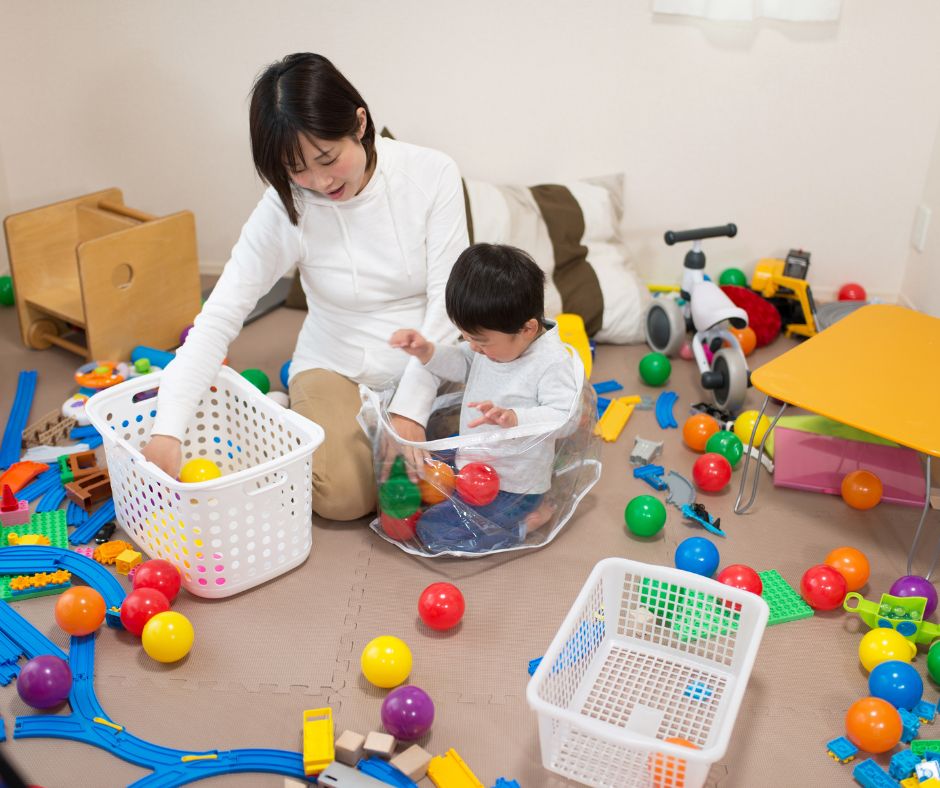
Younger children might help choose toys they have outgrown. Older children can sort their own books, clothes or belongings.
You can make it a game:
Keep, donate or toss.
And there’s another benefit.
When children have some involvement in the move, it can help the transition feel less like something that is simply happening to them.
They’re part of the change.
They might even surprise you with what they’re willing to let go of.
(Although don’t expect miracles. There will probably still be a beloved broken toy that absolutely cannot be discarded.)
Be strategic about what you improve

It’s tempting to look around your home and create a giant list of everything you’d like to change before selling.
New floors.
New countertops.
Paint.
Bathroom updates.
Landscaping.
New light fixtures.
Suddenly you’re looking at a six-month renovation project when what you really wanted was to move.
Before spending money, step back.
Ask yourself:
Will this actually make a meaningful difference to how the home presents, or am I fixing things because I’ve lived with them for years and I’m tired of looking at them?
Sometimes a thorough clean, a little decluttering, fresh paint and a few small repairs can make a much bigger difference than a major renovation.
And remember: you don’t have to make your home perfect.
You need to make it ready.
Think about your pets too
For many families, the chaos doesn’t stop with the children.
If you have a dog or cat, showings can add another layer to the juggling act.
Where will they go during a showing?
Who will take the dog out?
What happens if you get a last-minute showing request?
Having a simple plan ahead of time can make those moments much less stressful.
And yes, this is also the time to deal with the mysterious collection of dog toys, food bowls and accessories that somehow seem to multiply.
Create a “showing kit”
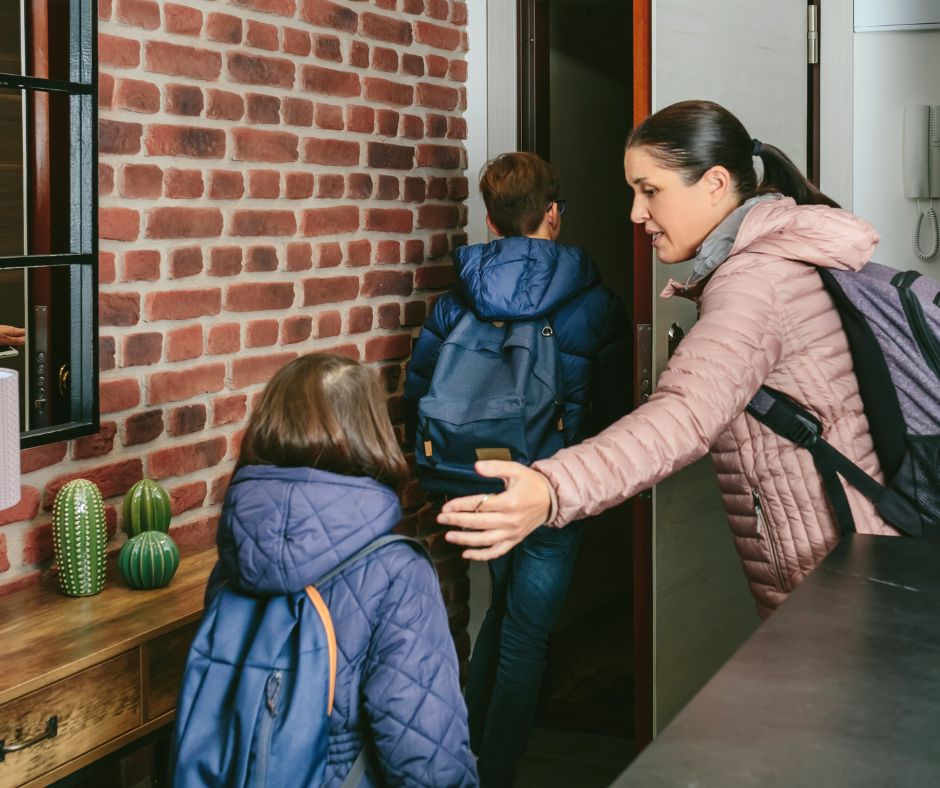
One of the best ways to make life easier is to have a small collection of things that can be dealt with quickly when a showing comes in.
Think:
The five-minute reset.
A basket for toys.
A laundry hamper for stray clothes.
A place for shoes.
A box where you can quickly gather bathroom products.
A bag for the diaper-changing essentials.
A container for the things that normally live on the kitchen counter.
You’re not trying to put your entire life away every time someone wants to see the house.
You’re creating a system that lets you reset the visible areas quickly.
Don’t underestimate the emotional side
This is your first home.
Even if you’re completely ready for more space, leaving can still feel strange.
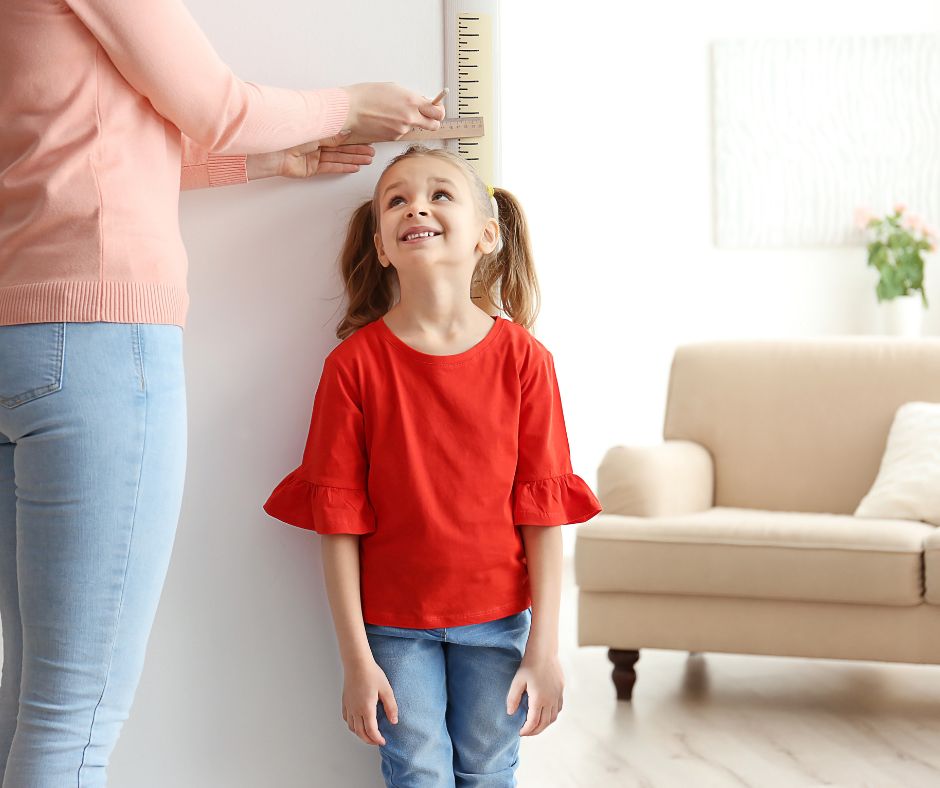
There may be a height chart on the wall. A dent in the flooring from when the kids were learning to walk. A particular window where you sat during those early newborn days.
You might find yourself thinking:
We’re really leaving this place.
That’s normal.
Take the photos.
Make the memories.
Let the kids say goodbye.
And if there are things in the house that carry special meaning, find a way to bring those memories with you.
The next house isn’t replacing this one.
It’s becoming the next chapter.
Get your next-home plans started before you list

One of the biggest mistakes families can make is treating selling and buying as completely separate decisions.
They’re connected.
Before putting your home on the market, it’s worth having a realistic conversation about what you need from the next one.
How many bedrooms?
How much outdoor space?
Do you need a home office?
Is a finished basement important?
What about proximity to schools, parks, childcare, family or your commute?
And, perhaps most importantly:
What does your budget look like after selling your current home?
Knowing these things before you list can make the transition much more manageable.
You’ll have a clearer idea of what you’re working toward rather than simply thinking, “We need a bigger house.”
Because bigger isn’t necessarily the goal.
Better suited to your family is.
Give yourself some breathing room

If there’s one thing we’d tell a family preparing for a move-up move, it’s this:
Don’t make every decision at the same time.
You don’t have to declutter the entire house, choose your next neighbourhood, pack the garage, arrange childcare and decide what colour the new baby’s room will be all in one weekend.
Break it down.
Start with the things that will make the biggest difference.
Get the house ready.
Understand your numbers.
Make a plan for showings.
Then take the next step.
There will still be moments of chaos. That’s part of moving with little ones.
But with a little preparation, you can make the process feel much more manageable.
And then comes the really exciting part…

You’ve decluttered.
You’ve packed.
You’ve survived the showings.
You’ve handed over the keys to the place where your family started its journey.
And now it’s time to find the home that fits the family you’ve become.
That’s where Part Two of our Move-Up Move series comes in.
We’ll talk about buying your next home while raising little ones — from figuring out what “more space” really means to balancing your wish list, your budget and the realities of family life.
Because the goal isn’t simply to buy a bigger house.
It’s to find the right next home for the life you’re building.